As of February 2026, the Intergovernmental Panel on Climate Change (IPCC) is in the early drafting stages of its Seventh Assessment Report (AR7). While the final AR7 results are not expected until late 2029, the scientific community continues to rely on the high-confidence projections from the Sixth Assessment Report (AR6), which utilized the CMIP6 (Coupled Model Intercomparison Project Phase 6) generation of global climate models.
1. The Core Framework: SSP Scenarios
Current projections are built on Shared Socio-economic Pathways (SSPs), which integrate greenhouse gas concentrations with different socio-economic developments (population, economy, and technology).
| Scenario | Pathway Name | Projected Warming (2100) | Description |
| SSP1-1.9 | Very Low Emissions | ~1.4°C | Achieves net-zero $CO_2$ around 2050; aligns with the Paris 1.5°C goal. |
| SSP1-2.6 | Low Emissions | ~1.8°C | Net-zero in the second half of the century; stays below 2°C. |
| SSP2-4.5 | Intermediate | ~2.7°C | Current global policy trajectories mostly align here; emissions plateau. |
| SSP3-7.0 | High Emissions | ~3.6°C | “Regional Rivalry”—low international cooperation and high fossil fuel use. |
| SSP5-8.5 | Very High | ~4.4°C | Fossil-fueled development; “business-as-usual” worst-case scenario. |
2. Key 2026 Physical Projections
The IPCC models provide a high degree of certainty for several “locked-in” changes over the coming decades:
- The 1.5°C Threshold: In all scenarios except the most aggressive mitigation (SSP1-1.9), models predict the Earth will likely cross the 1.5°C warming threshold in the early 2030s.
- Water Cycle Acceleration: For every 1°C of temperature increase, the atmosphere holds approximately 7% more water vapor. This leads to more intense rainfall events and a higher risk of flash flooding, even in areas that are becoming generally drier.
- Sea Level Rise: Even if emissions are slashed today, sea levels are projected to rise 0.6 to 1.1 meters by 2100. Under high-emission “tipping point” scenarios involving ice-sheet collapse, models cannot rule out a rise of 2 meters by 2100.
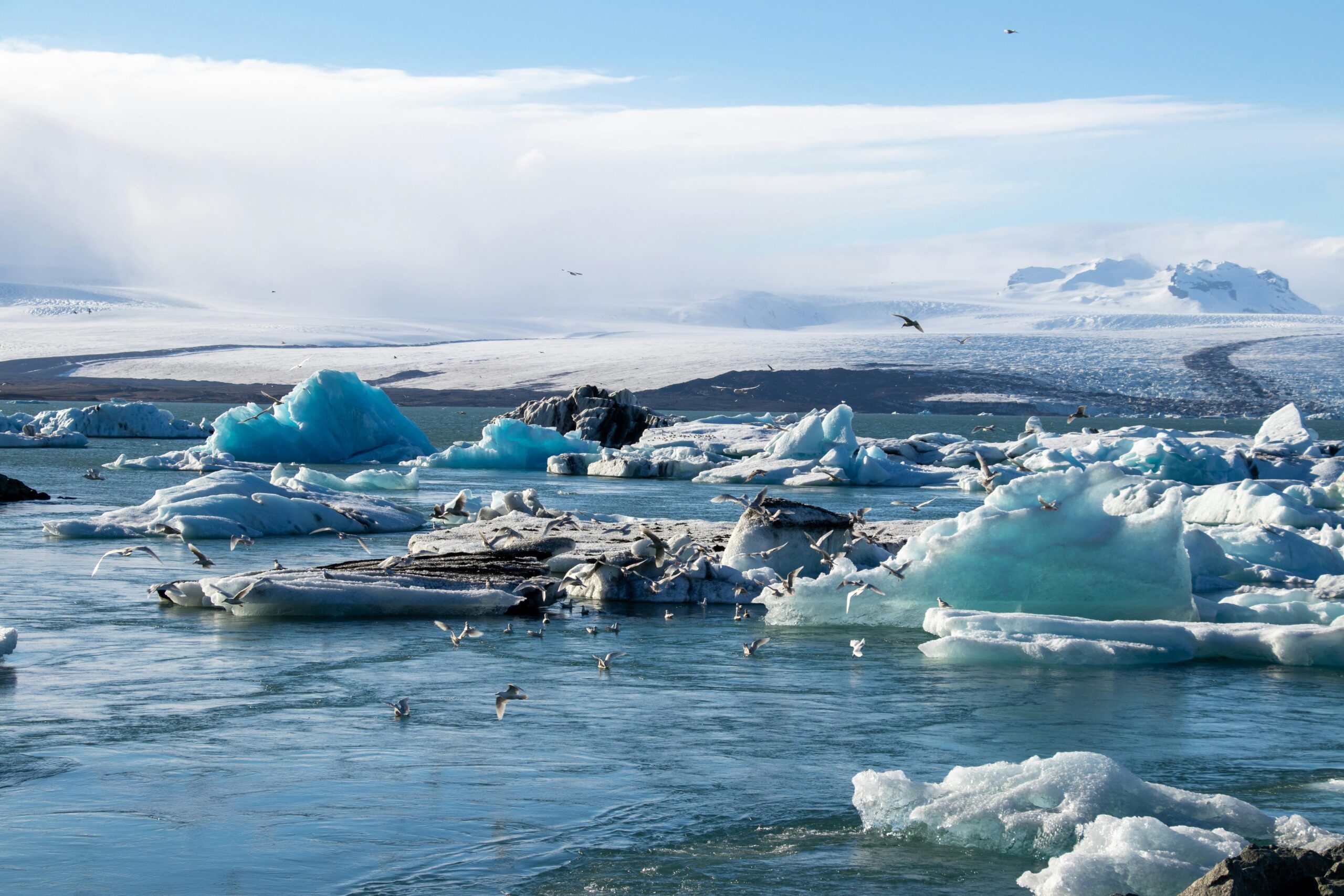
- Arctic Ice-Free Summers: Models predict the Arctic Ocean will become practically ice-free during its summer peak at least once before 2050, regardless of the emission pathway chosen today.
3. AR7 Status (February 2026 Update)
The IPCC is currently “bridging the gap” between the 2023 Synthesis Report and the next major assessment cycle:
- Cities Special Report: Authors are currently meeting (as of January/February 2026) to draft the Special Report on Climate Change and Cities, a high-priority product for the AR7 cycle.